The Interplay Between Mobile Accessibility and Live Dealer Regulations in Austria's Gambling Scene
Geschrieben von Iris Griffin · 23.8.2026
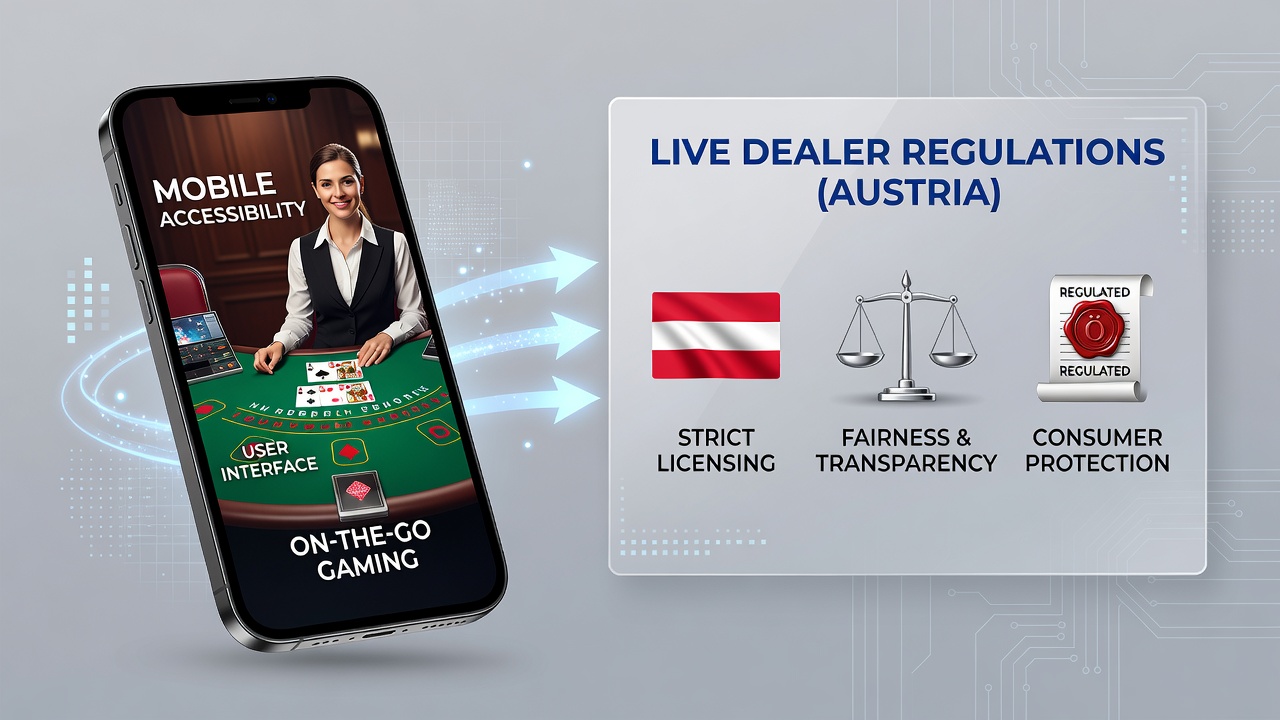
The Interplay Between Mobile Accessibility and Live Dealer Regulations in Austria's Gambling Scene
Austria maintains a tightly controlled gambling framework where mobile accessibility and live dealer operations intersect under national licensing requirements, and observers note that this dynamic shapes how operators deliver real-time table games to players across devices. Data from the Austrian Federal Ministry of Finance shows that online gambling revenue reached approximately 1.2 billion euros in 2025, with mobile platforms accounting for over 65 percent of live dealer sessions according to industry reports compiled by the European Gaming and Betting Association.
Mobile Accessibility Trends in Austrian Online Gambling
Smartphone penetration in Austria exceeds 92 percent among adults, which enables seamless access to licensed live dealer platforms through optimized applications and browser-based interfaces, while regulatory standards require operators to ensure compatibility with both iOS and Android environments without compromising security protocols. Figures from recent market analyses reveal that sessions lasting under 15 minutes now represent nearly 40 percent of mobile live dealer activity, driven by features such as quick-deposit systems and portrait-mode table views that accommodate on-the-go participation.
Those who track user behavior patterns point out that Austrian residents increasingly favor mobile wallets and biometric authentication methods, yet licensing conditions mandate that all transaction data remain stored within EU jurisdictions to comply with data protection directives. Research conducted by the University of Vienna's Institute for Gambling Studies indicates that mobile users complete an average of 3.2 live dealer rounds per session compared to 4.1 on desktop, highlighting how screen size influences engagement duration without altering overall participation rates.
Regulatory Framework Governing Live Dealer Operations
Live dealer games fall under the Austrian Gaming Act and require explicit approval from the Federal Ministry of Finance before operators can stream from physical studios located either domestically or within approved EU territories, and compliance involves rigorous audits of dealer certification, camera angles, and random number generator backups. As of August 2026, updated technical guidelines will mandate enhanced encryption standards for all mobile live streams, aiming to align with evolving cybersecurity benchmarks across member states.
Operators must also integrate responsible gaming tools directly into mobile interfaces, including session timers and deposit limits that sync across devices, because regulators view accessibility features as inseparable from player protection measures. Statistics released by the Austrian Lotteries and Casinos Association demonstrate that licensed platforms reported a 22 percent increase in live dealer table availability between 2024 and 2025, coinciding with expanded mobile bandwidth infrastructure in rural regions.
How Mobile Access Influences Live Dealer Compliance
Regulators evaluate mobile platforms through the same licensing lens applied to desktop services, yet the emphasis on portability introduces specific challenges around geo-fencing accuracy and age verification speed, and authorities require that location services activate automatically upon app launch to prevent cross-border access violations. Evidence collected during routine inspections shows that mobile applications undergo separate testing phases focused on latency under 4G and 5G conditions, ensuring that live dealer interactions maintain synchronization between video feeds and betting interfaces.
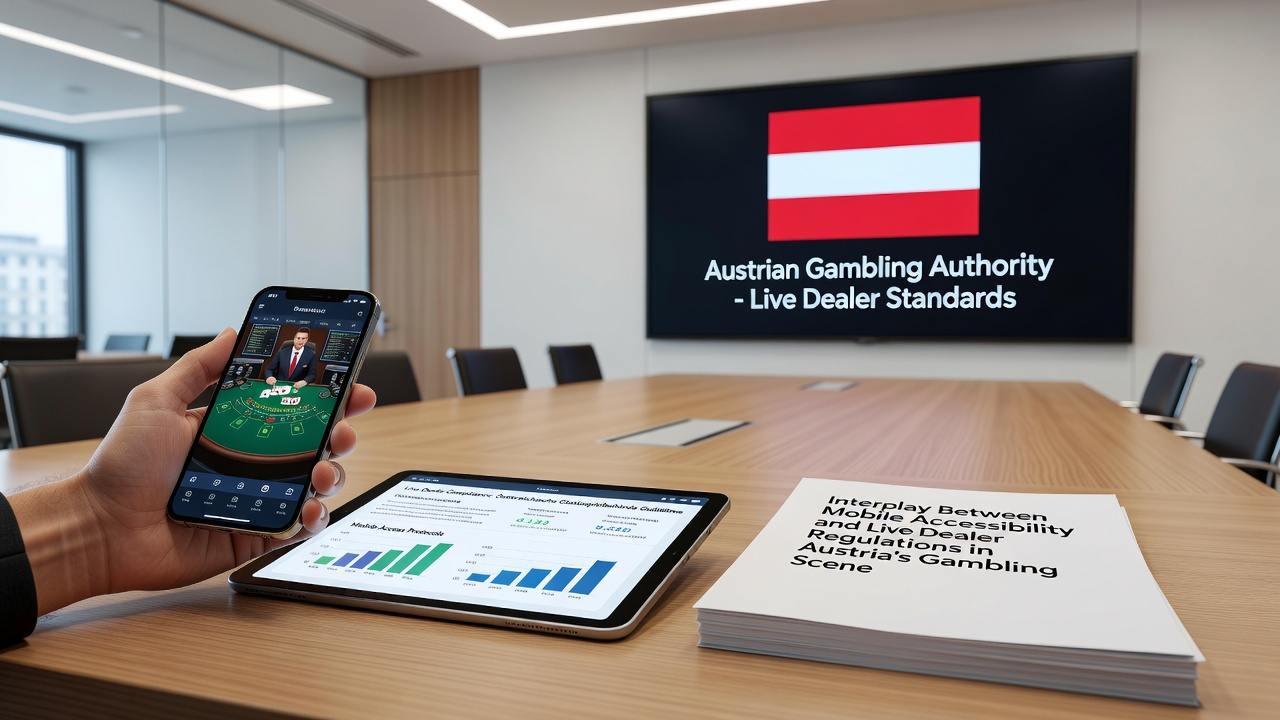
One notable development involves the integration of cloud-based streaming solutions that allow Austrian-licensed studios to scale capacity during peak mobile usage hours without relocating physical tables, while ministry guidelines stipulate that all such infrastructure must undergo independent verification every six months. Observers note that this requirement creates a direct link between technological accessibility upgrades and ongoing regulatory oversight, because any mobile optimization that alters data transmission paths triggers fresh compliance reviews.
Case Examples of Regulatory Adaptation
Take the case of a Vienna-based operator that introduced gesture-controlled betting options for mobile users in early 2025; the innovation required prior submission of interface prototypes to demonstrate that controls did not bypass mandatory confirmation steps, and approval arrived after three months of simulated user testing. Another instance involves cross-border partnerships where Austrian licensees collaborate with studios in Malta under mutual recognition agreements, yet mobile traffic from Austrian IP addresses must route through dedicated verification servers to satisfy local oversight rules.
Reports from the European Commission on digital single market initiatives highlight how Austria's approach differs from neighboring jurisdictions by tying mobile app updates to license renewal cycles, creating a system where accessibility improvements directly influence regulatory standing. Data compiled by the OECD on digital gambling trends further indicates that countries with similar dual requirements experience 15 percent higher compliance costs for live dealer mobile services compared to regions with lighter mobile-specific mandates.
Conclusion
The relationship between mobile accessibility and live dealer regulations in Austria continues to evolve through layered licensing conditions that treat device compatibility and operational integrity as interconnected priorities. Government statistics and academic findings together illustrate that future adjustments, including those scheduled for August 2026, will likely focus on refining encryption and verification processes to accommodate rising mobile engagement levels. Operators and regulators alike navigate these requirements by aligning technological advancements with established legal frameworks, resulting in a structured environment where both elements reinforce one another.